
News

Summer School: Challenges of regulating the digital environment
The third Digital Rights Summer School was held from 25 to 31 August in Perast, Montenegro, gathering more than 40 journalists, activists and experts in the fields of AI, media, human rights, surveillance, and digital policy.
During five days of talks and workshops, numerous issues regarding the regulation of the digital environment were discussed and analysed. New EU regulations, i.e. the Digital Services Act, the Digital Markets Act and the Artificial Intelligence Act, and their implications for the Western Balkans were given particular attention. In addition, topics such as collective redress of digital rights, links between social justice and technology, counter-surveillance techniques and non-consensual intimate image abuse were also discussed.
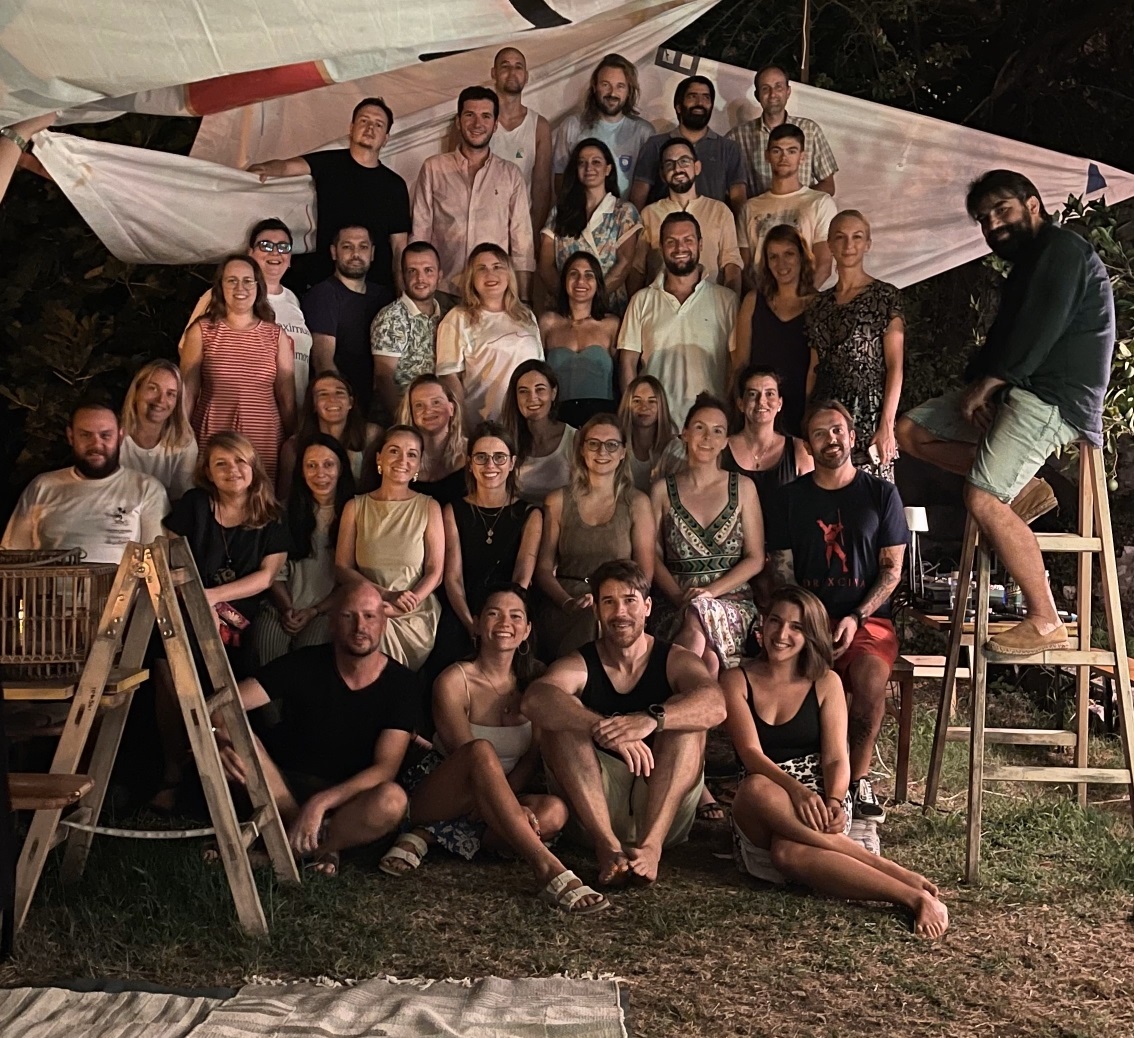
Many thanks to all participants, lecturers, and guests for the exciting week we spent together! The program was organised by SHARE Foundation, European Digital Rights (EDRi) and Digital Freedom Fund.
We owe our gratitude for the support of the Summer School to the Gieskes-Strijbis Fonds, the Open Society Foundations Western Balkans and the Balkan Trust for Democracy. The Summer School was also supported by a core grant from the regional project SMART Balkans – Civil Society for a Connected Western Balkans, implemented by the Center for Civil Society Promotion (CPCD) in Bosnia and Herzegovina, the Center for Research and Policy Making (CRPM) in North Macedonia, and the Institute for Democracy and Mediation (IDM) in Albania, financially supported by the Ministry of Foreign Affairs of the Kingdom of Norway.
Related content
Apply for the Digital Rights – end of – Summer School!
The applications for the 2026 Digital Rights Summer School in Montenegro are now open! The School takes place from 20 to 26 September and the program is designed for enthusiasts based in the Western Balkans and Southeast Europe (SEE), who are passionate about digital rights and eager to learn more about the latest developments in […]
16. June, 2026.
SHARE Foundation signs Declaration on Copyright for Creativity
SHARE Foundation signed the Declaration for Europe and joined the Copyright4Creativity coalition, which advocates for a new approach to copyright in Europe which can benefit all, foster innovation, incentivise and reward creativity and improve the availability of products of the European creative spirit. Signatories of the Declaration call upon the European Commission, European Parliament and EU Member States to […]
19. September, 2018.
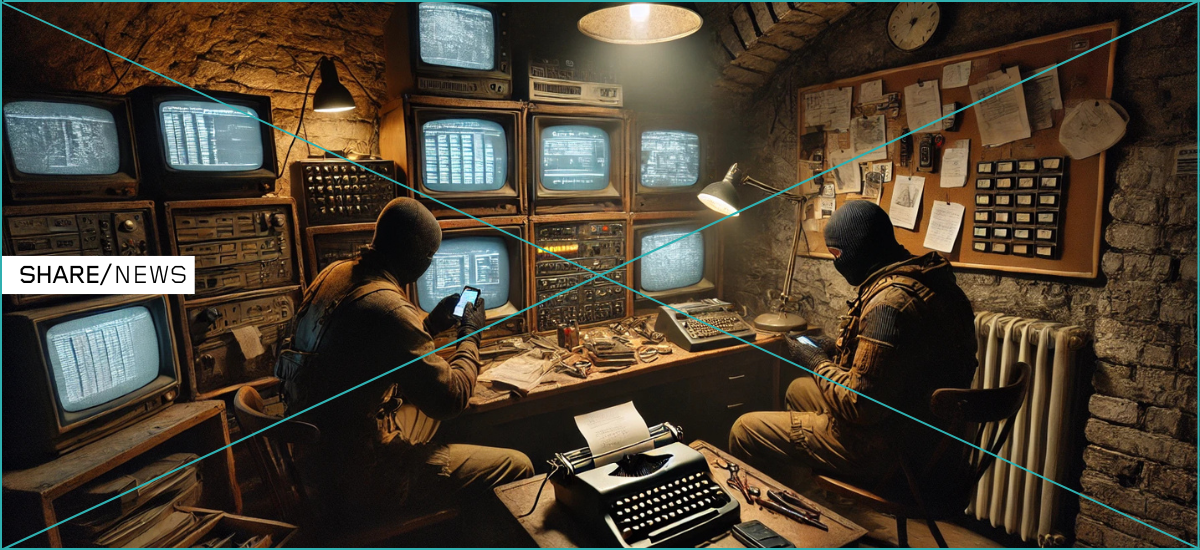
MUP and BIA illegally hacking phones of activists and journalists
Proven use of spyware and forensic tools contrary to law The use of spyware represents a serious attack on human rights, freedom of expression and privacy of citizens. In Serbia its use is becoming a common practice. A new report by Amnesty International indicates widespread use of spyware against activists, journalists and members of civil society by […]
16. December, 2024.