
News
Net neutrality law adopted in California State Assembly
California State Assembly adopted a new law with the goal to guarantee net neutrality. California Internet Consumer Protection and Net Neutrality Act 2018 forbids the practices of electronic communications providers which include throttling, blocking or other interference with the internet traffic of their users, as well as providing prioritised speed to some apps compared to others. Vote in the state Senate is to come, and after that the law awaits the signature of Governor Jerry Brown.
The importance of this bill is great, particularly since the net neutrality rules of the US Federal Communications Commission were repealed at the end of last year, and because the California law received bipartisan support. The telecom industry invested great lobbying efforts to “water down” the bill through amendments, while California State Senator Scott Wiener alarmed the public about the robocalls used to spread disinformation about the alleged increase of phone bills if the bill gets passed.
Maybe the key moment for support of net neutrality came after complaints from the Santa Clara County fire department, which claimed that Verizon, one of the biggest ISPs in the US, throttled their internet traffic during great fires in California, even though they had an “unlimited” data plan.
SHARE Foundation prepared an educational video on the importance of net neutrality for freedom of expression and other digital rights.
Related content

Huawei knows everything about cameras in Belgrade – and they are glad to share!
EDIT (30th March, 2019, 9:29h): Not long after this text had been published, case study about cameras for video surveillance in Belgrade was removed from the official website of Huawei. You can read the archived version of the case study at the following link: https://archive.li/pZ9HO. New generation surveillance cameras have already been installed in Belgrade, as stated […]
29. March, 2019.
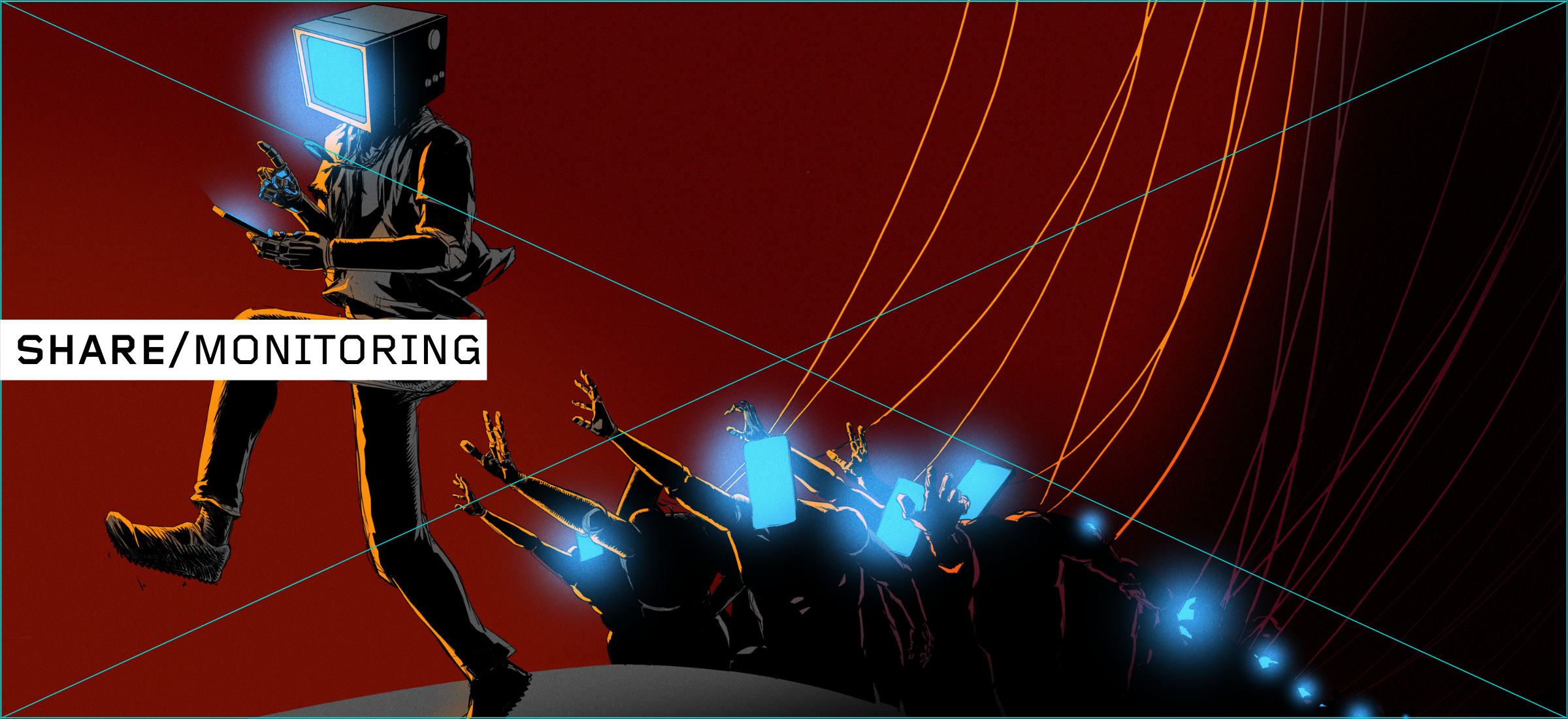
Digital sabotage and physical endangerment
Quarterly report In the latest overview from the digital rights monitoring in Serbia, carried out by the SHARE Foundation, a total of 57 violations of human rights in the digital environment were recorded from December until the end of February 2026. The fraud, threats and manipulation category was again the most prominent with 48 violations. […]
4. March, 2026.
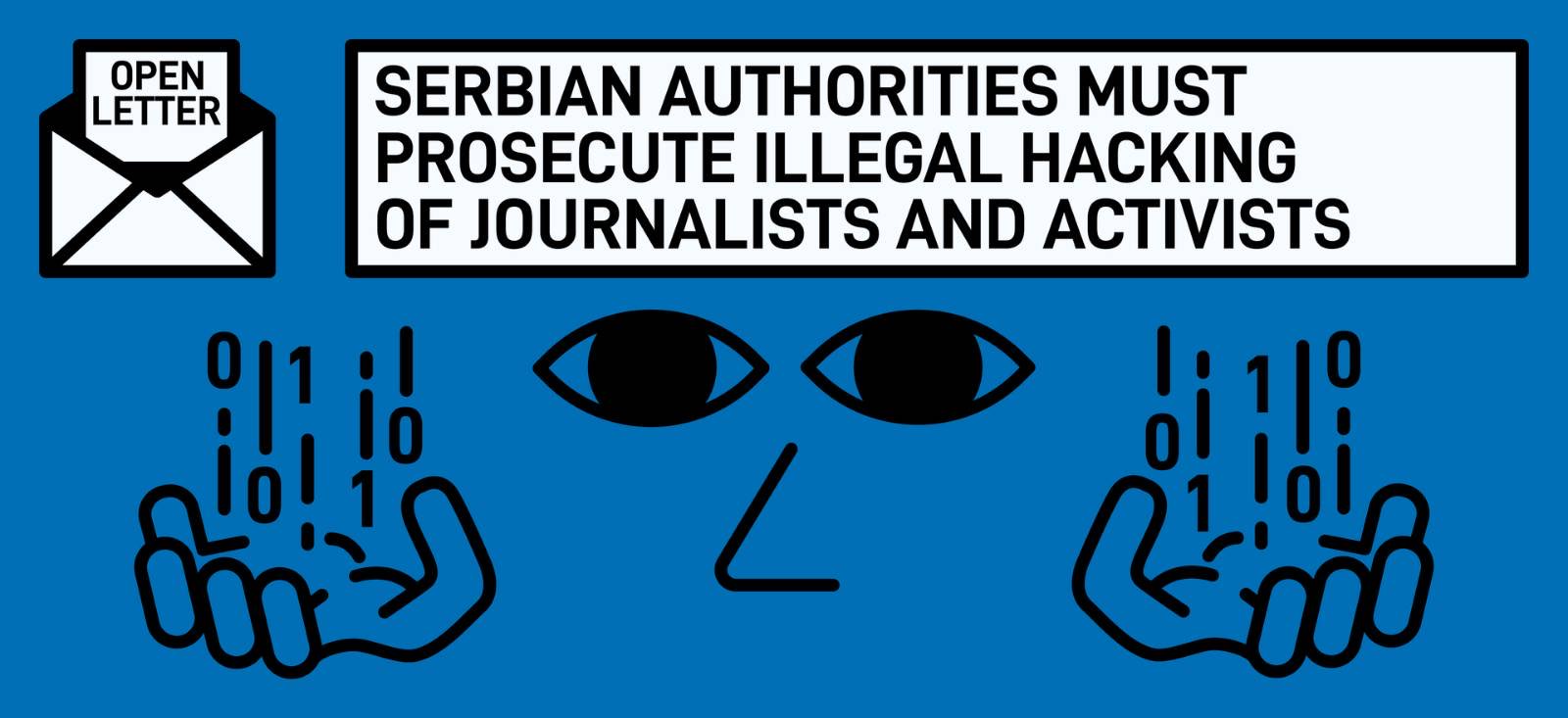
Open Letter: Serbian authorities must prosecute illegal hacking of journalists and activists
Today, 19 December, European Digital Rights (EDRi) and 50 organisations urge the European Union’s institutions to take action to stop the Serbian authorities’ illegal use of spyware to target journalists, activists, and members of civil society. On 16 December, Amnesty International released a report exposing widespread abuses by the Serbian police and Security Information Agency (BIA) through the use […]
19. December, 2024.