
News
Pandemic politics in the Western Balkans
In response to the COVID-19 pandemic, countries around the world have introduced various legal measures and technological solutions, which have raised particular concerns for the respect of human rights during this global public health crisis. In such circumstances, privacy and personal data protection were among the first victims, while other rights, such as freedom of expression and information, followed soon. The Western Balkans are no exception – during the pandemic, there were many cases of violations of digital rights and freedoms, which threatened to further reduce the overall human rights situation riding on the public fear of a major health crisis.
The policy paper “State of pandemonium: Digital rights in the Western Balkans and COVID-19” authored by Danilo Krivokapić, Bojan Perkov and Davor Marko aims to point out how major crises affect basic democratic achievements and highlight that the pandemic must not be used under any circumstances to irreversibly reduce human rights standards, especially not by using intrusive technologies. The authors’ findings highlight that there are already many problems in the Western Balkans regarding digital rights and freedoms, especially when it comes to privacy and security of personal data, disinformation and attacks on journalists, which only worsened during the COVID-19 pandemic.
The authors point out that the adequate implementation of policies and regulations in the fields of data protection and information security, enabling the development of a favorable environment for unhindered work of journalists and media, as well as improving digital literacy and digital competencies of citizens are steps of key importance for the future.
Read more:
Related content
A Tale of Two Viruses
It was the best of times, it was the worst of times, it was the age of wisdom, it was the age of foolishness, it was the epoch of belief, it was the epoch of incredulity, it was the season of Light, it was the season of Darkness, it was the spring of hope, it […]
3. April, 2020.
Draft withdrawal a step towards moratorium on biometric surveillance
As an organisation dedicated to digital rights and freedoms, fighting against the use of mass biometric surveillance, we welcome the decision of the Serbian Minister of Interior to withdraw the controversial Draft Law on Internal Affairs. We call on the authorities to take another step and impose a moratorium on the use of advanced technologies for biometric surveillance and mass […]
23. September, 2021.
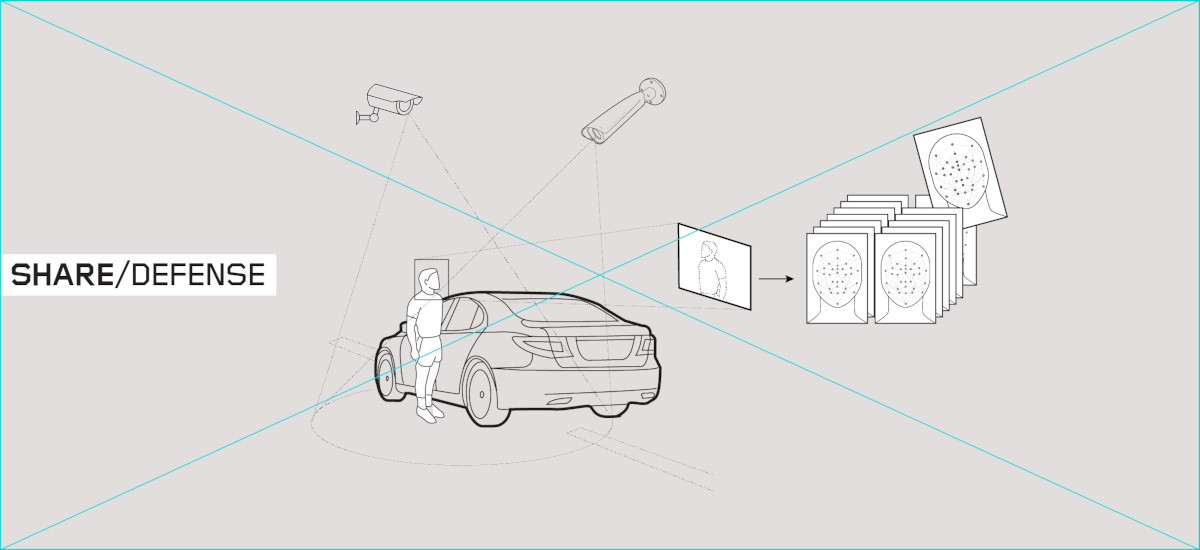
What are the provisions of new policing draft laws
The analysis of the new Draft Law on Internal Affairs, the Draft Law on Data Processing and Records in Internal Affairs, as well as the new working draft of Data Protection Impact Assessment, shows that the fundamental issues of the intrusive technology application in Serbia have not been addressed. Specifically, the Draft Law on Internal Affairs enables mass, […]
16. December, 2022.